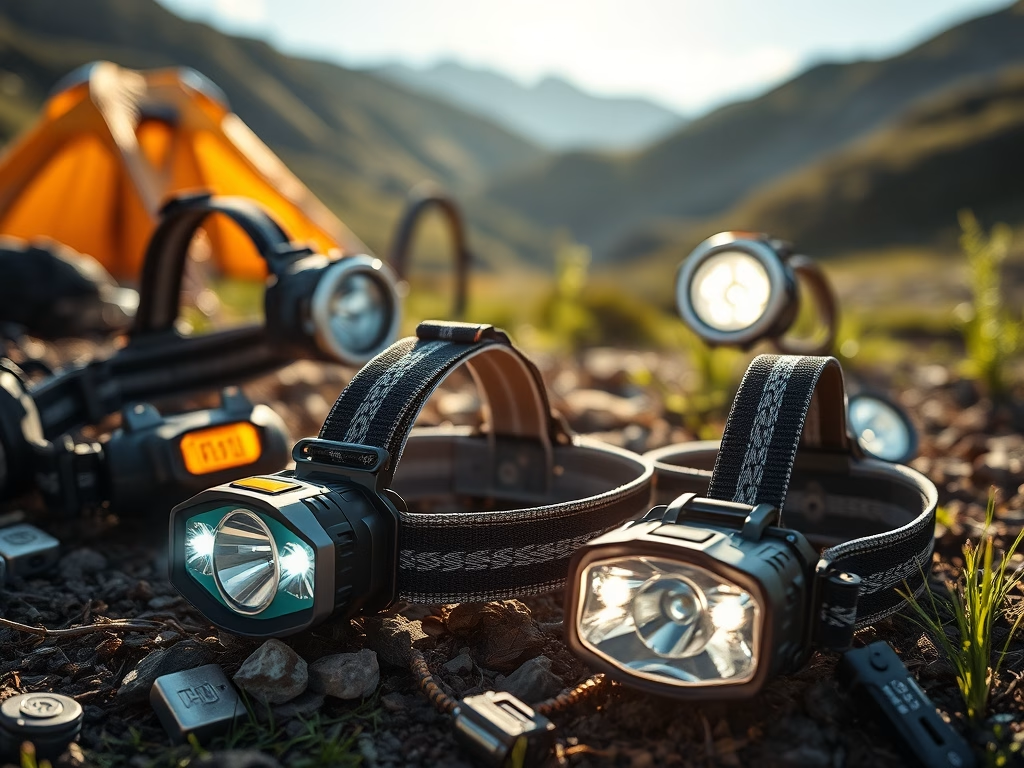
Rechargeable LED Headlamp Prices Explained for South African Buyers
If you search online for a rechargeable LED headlamp, you’ll see prices all over the place. Some cost under R200, while others push well past R700. On paper, many of them look similar. In real life, they are not.
After years of using headlamps for camping, running, roadside emergencies, and general outdoor use, I’ve learned that price only makes sense when you understand what you’re actually paying for. This article breaks down what a rechargeable LED headlamp really costs in South Africa and what separates a frustrating purchase from one you can rely on.
Most rechargeable LED headlamps fall into three broad price ranges.
- At the lower end, anything under R200 is usually built around older AA or AAA battery systems, lightweight plastics, and uncomfortable head straps. These lights often look fine when you first switch them on, but real-world use exposes the problems quickly. They tend to be underpowered, poorly balanced, and unreliable over longer periods.
- Mid-range headlamps typically sit between R300 and R450. This is where rechargeable USB-C models start appearing and where comfort, battery life, and brightness improve significantly. However, not every headlamp in this range delivers value. Some are simply slightly upgraded versions of cheap lights with better packaging.
- High-end headlamps usually fall between R500 and R700. In many cases, you are paying for brand recognition rather than meaningful performance gains. While there are excellent premium headlamps on the market, many offer similar features and output to well-designed mid-range models at a much higher price.
What Actually Determines the Price of a Rechargeable LED Headlamp?
- Battery technology is one of the biggest cost drivers. Older AA and AAA battery designs require heavier housings and larger head straps to support the weight. This extra bulk causes the headlamp to droop over your eyes, especially during movement, even when a crossover strap is used. Rechargeable lithium batteries eliminate this issue and allow for lighter, better-balanced designs.
- Comfort is another factor that is often underestimated. A headlamp can be bright and still be unusable if the strap is stiff, difficult to adjust, or refuses to stay in place. I’ve personally had to tie a knot in a cheap headlamp strap during a trail run just to stop it from slipping. That kind of frustration usually comes from cheaper materials and poor design.
- Brightness claims also influence price, but lumen numbers can be misleading. Many manufacturers advertise high lumen outputs that are only achievable for short bursts. In real-world use, consistent brightness on a normal mode matters far more than inflated specifications.
Real-World Use and Experience
- My own use of headlamps has been practical rather than theoretical. I’ve relied on them during camping trips, while braaing after dark, on early afternoon runs that stretched into the evening, and during roadside emergencies while traveling long distances. In one real situation, I used a headlamp when we were stuck on the side of the road at night, where hands-free light was essential.
- I’ve also used headlamps for hiking and running, and that’s where comfort and balance become non-negotiable. Bulky battery-powered units quickly become annoying and distracting. Over time, that’s what pushed me toward lightweight rechargeable designs.
Case Study: Cheap vs Well-Priced
- One of the clearest lessons came from using a cheap 150-lumen headlamp while trail running. On paper, it seemed adequate. In practice, the strap was uncomfortable, the adjustment mechanism would not hold, and the light kept bouncing. It turned what should have been a relaxed run into a constant irritation.
- In contrast, a properly designed mid-range headlamp like the Cyclami CL320 proved that you don’t need to overspend to get reliability. With a rechargeable 600mAh battery, USB-C charging, and a lightweight design, it delivers consistent brightness and comfort. A Takealot review even reported that during a five-day hike, the headlamp only needed one recharge, which speaks to real-world efficiency rather than marketing claims.
Headlamp vs Bicycle Light
- It’s important to understand that a headlamp is not a replacement for a proper bicycle light. For night riding, the primary light should always be a handlebar-mounted bicycle light with a stable beam and sufficient output. A headlamp works best as a secondary light or as a versatile option for camping, emergencies, and hands-free tasks.
- The advantage of a good headlamp is flexibility. Models that allow the light unit to detach from the head strap and clip onto clothing or gear offer far more value than fixed designs.
So, How Much Should You Pay?
- Based on real use, anything under R200 is generally not worth the frustration. Spending R500 to R700 only makes sense if you need very specific features or brand-backed warranties.
- For most people, the sweet spot sits around R400 to R450. At this price, you get modern battery technology, proper comfort, reliable brightness, and durability without paying for branding. A rechargeable LED headlamp like the Cyclami CL320 headlamp sits right in the real-world sweet spot. With solid build quality, USB-C charging, and a one-year warranty. That right there represents good value in the South African market.
Final Thoughts
- A rechargeable LED headlamp is one of those items that is often bought at the last minute and rarely tested until it’s urgently needed. That’s usually when disappointment sets in. Understanding what drives the price and what features actually matter helps avoid wasted money and repeated purchases.
- When you choose a headlamp that balances price, comfort, and real-world performance, it stops being an accessory and becomes something you genuinely rely on.
View The Cyclami CL320 Rechargeable LED Headlamp At My Shop
If you’re looking for a reliable rechargeable LED headlamp that’s been tested in real conditions, the Cyclami CL320 offers the right balance of brightness, comfort, and battery life — without overpaying for branding.